
Newar Online Dictionary Scholars
The Newar Online Dictionary is a collaborative effort involving many people. Below are listed the scholars who have contributed to development of this resource.
Our Team
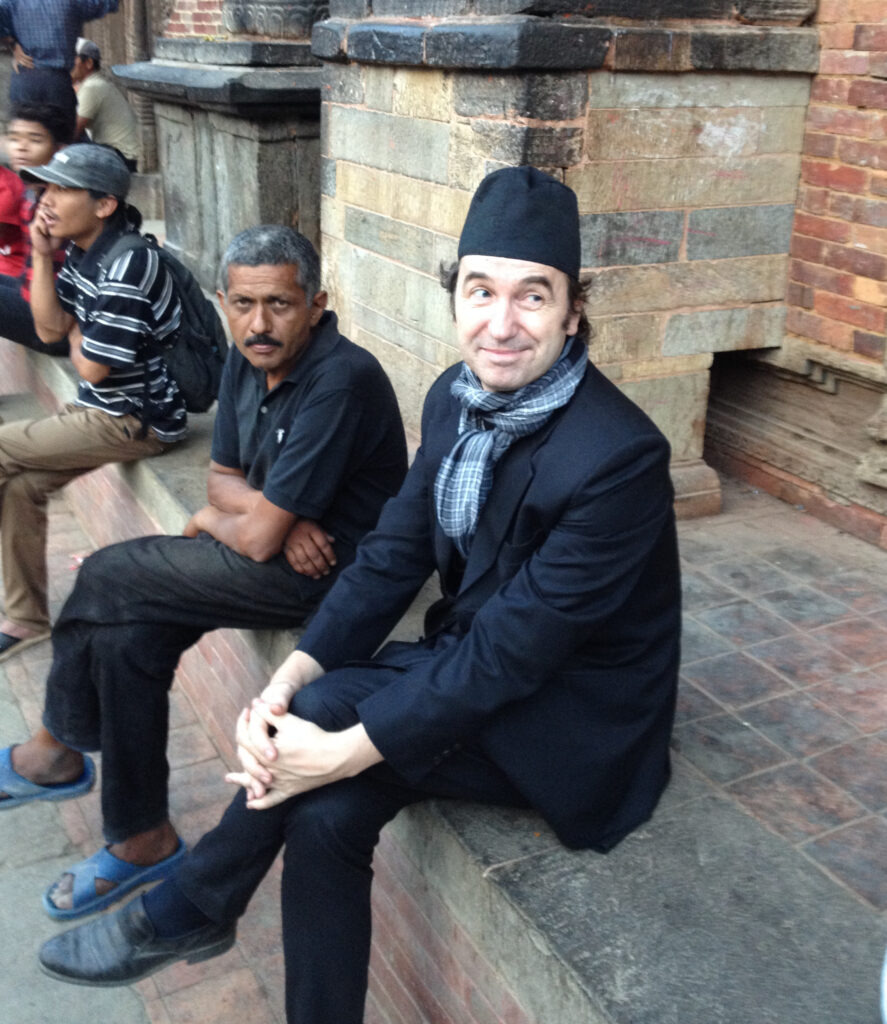
Christoph Emmrich
Christoph Emmrich (PhD University of Heidelberg) is interested in ritual, childhood, translation, material culture, and sexual difference among the Newars of the Kathmandu Valley from the 17th century till today. He has worked on the history of Buddhist and Hindu manuals for domestic rites involving Newar girl children, on the textualization of early modern literary Newar through translation from Sanskrit and the emergence of print, on the interface of travel and translation as practiced by Newar and Burmese Buddhist monastics, on the role of the bookseller in the production, reception, and distribution of Newar literary texts, as well as on shopkeeping, list-making, and the circulation of Newar liturgical materials. He is Associate Professor of Buddhist Studies at the University of Toronto and the NOD’s principal investigator.
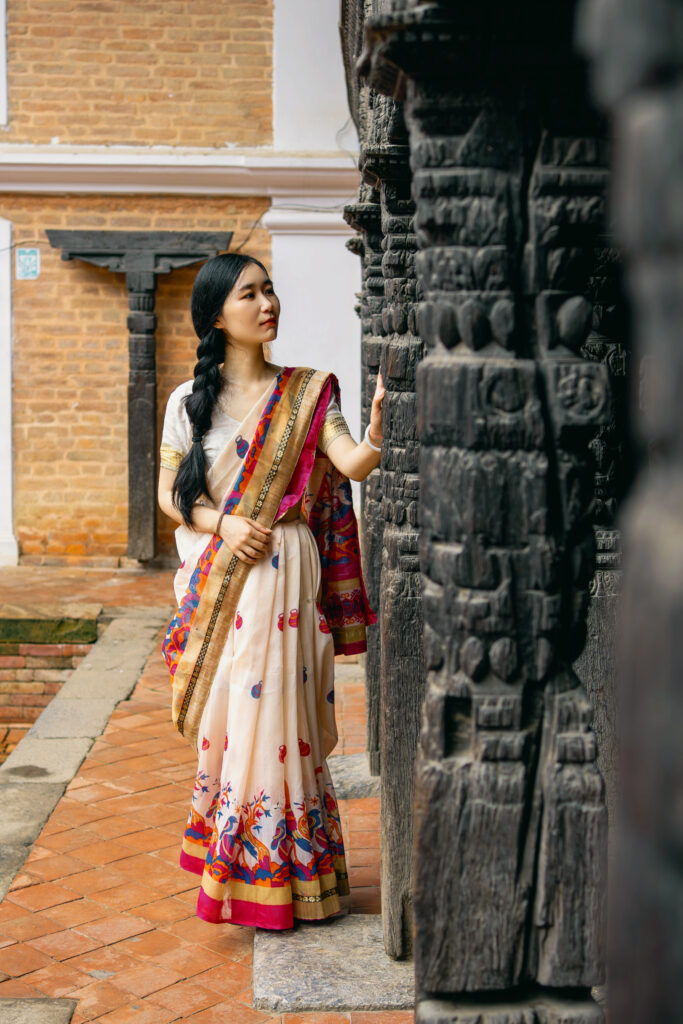
Liwen Liu
Liwen Liu is a postdoctoral researcher at SOAS, University of London. She received her PhD in the Study of Religion from the University of Toronto in 2024. Her dissertation, titled Justifying Violence: Ritual and Doctrine of Sacrificial Killing in Medieval Hindu Traditions, explored the justification and ritualization of sacrificial killing, drawing on the medieval Sanskrit textual sources. She holds an MA in South Asian Studies and a BA in Hindi from Peking University. Liwen’s research interests include Tantric studies, Ritual Studies, and Newar Hindu traditions. As a member of the NOD team, Liwen worked on adapting the Saṃkṣipta Nepāla Bhāṣā Śabda-kośa of Vaidya Pannaprasāda Jośī.
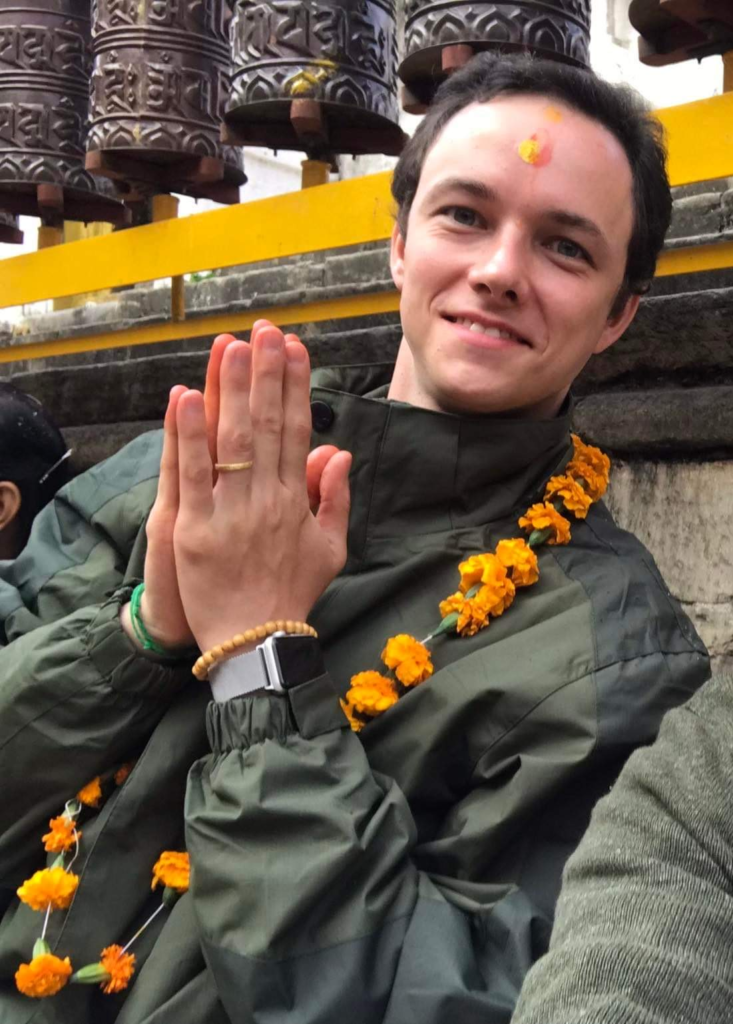
Alexander James O’Neill
Alexander James O’Neill is a specially appointed assistant professor in Buddhist Studies at the Department of Liberal Arts at Musashino University, Tōkyō. He was previously a research fellow at the Department of East Asian Languages and Cultures at the School of Oriental and African Studies (SOAS), University of London. He received his PhD from the University of Toronto’s Department for the Study of Religion in 2022. His research focuses on Newar Buddhism, Newar linguistics and NLP, and Mahāyāna Buddhist ritual and literature. With the Newar Online Dictionary, Alexander worked on optimising the project’s OCR workflow, script conversion, and adapting the Classical Newar dictionaries: A Dictionary of the Classical Newari (Jørgensen, 1936) and A Dictionary of Classical Newar (Malla et al., 2000).
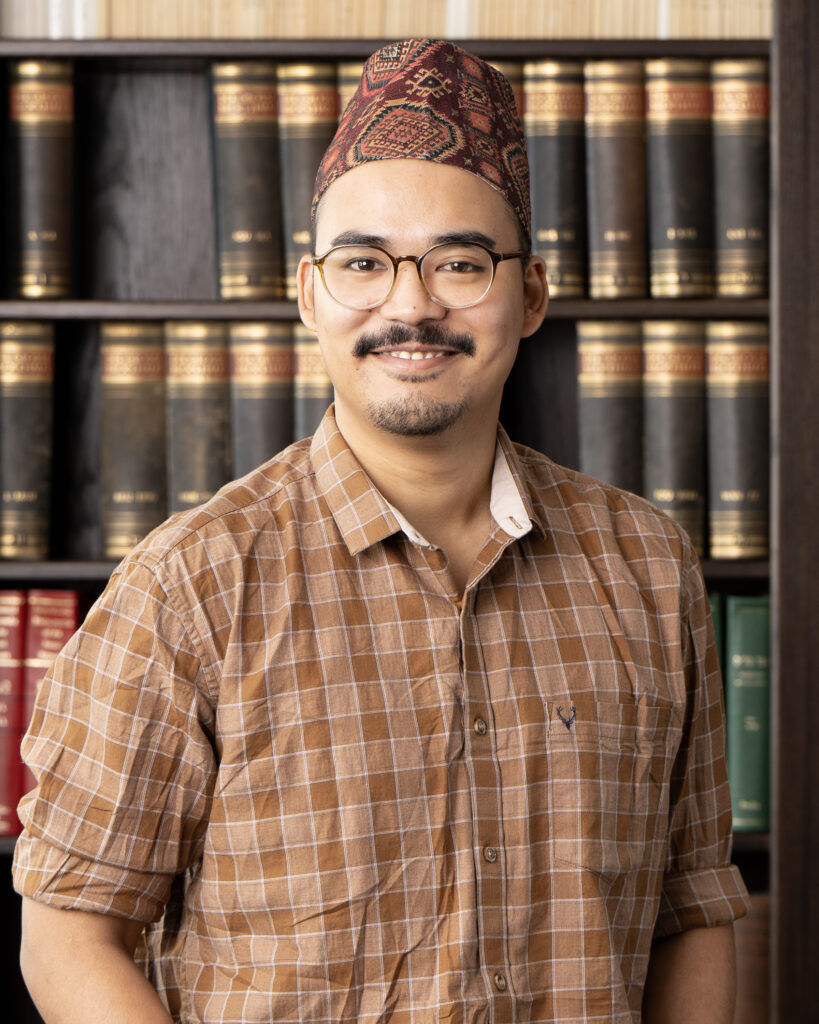
Gaurav Shrestha
Gaurav Shrestha is a PhD student in Religion at the Department for the Study of Religion, with a collaborative specialization in South Asian Studies at the Munk School of Global Affairs & Public Policy. His research focuses on studying contemporary manifestations of Jatras in the Kathmandu Valley, particularly how these historical and religious celebrations—rooted in Hindu, Buddhist, and other religious attributes—are actively reinterpreted by the youth. His work critically examines the interplay between tradition, identity, and political change, exploring how Jatras serve as dynamic spaces where cultural heritage intersects with contemporary social realities. As an emerging Newar scholar, Gaurav brings a reflexive perspective, situating himself within the context of his research, while drawing on Indigenous studies frameworks, particularly around themes of positionality and indigeneity. He is also an active member of the NOD team, working on OCR and script review for Nepal Bhasa and Nepali texts.
Austin Simoes-Gomes
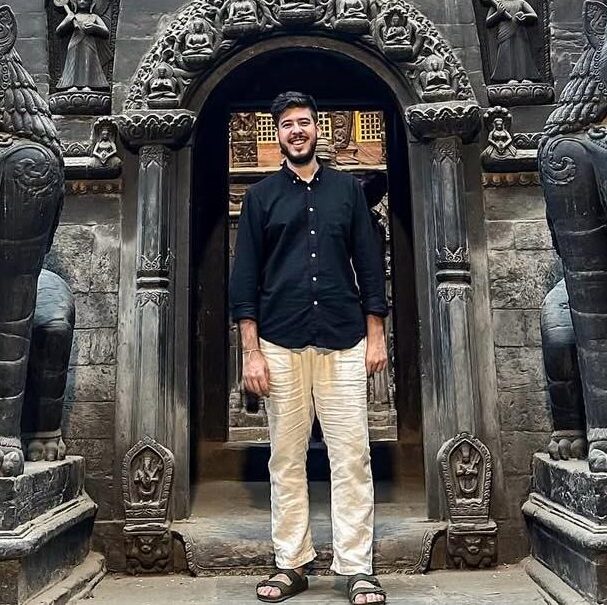
Austin Simoes-Gomes is a PhD Candidate at the Department for the Study of Religion at the University of Toronto and Research Affiliate at the Rangjung Yeshe Institute. His dissertation, In the Living Rooms of the dyaḥmāṃ: Coming, Divining, Healing, and Doing dharma is an ethnographic study of the dyaḥmāṃ, Newar women who get possessed by the goddess Hāratī and perform healings and divinations. It explores possession as a cultivated, relational, and intersubjective practice co-created between deities, dyaḥmāṃ, and devotees within female-decentered ritual spaces. He teaches courses on Hindu and Buddhist Rituals, Death and Dying, the Study of Religion, and Sikh Literary History. Austin has been a member of the NOD team from the very beginning, typing away parts of the Newari English Dictionary: Modern Language of Kathmandu Valley (Manandhar and Vergati 1986) and English – Nepal Bhasa Dictionary (Tuladhar 2003), as well as Newar word lists and glossaries from Colonel Kirkpatrick’s An Account of the Kingdom of Nepaul (1811) and Siegfried Lienhard’s Nevārīgītimañjarī (1974).
Kashinath Tamot
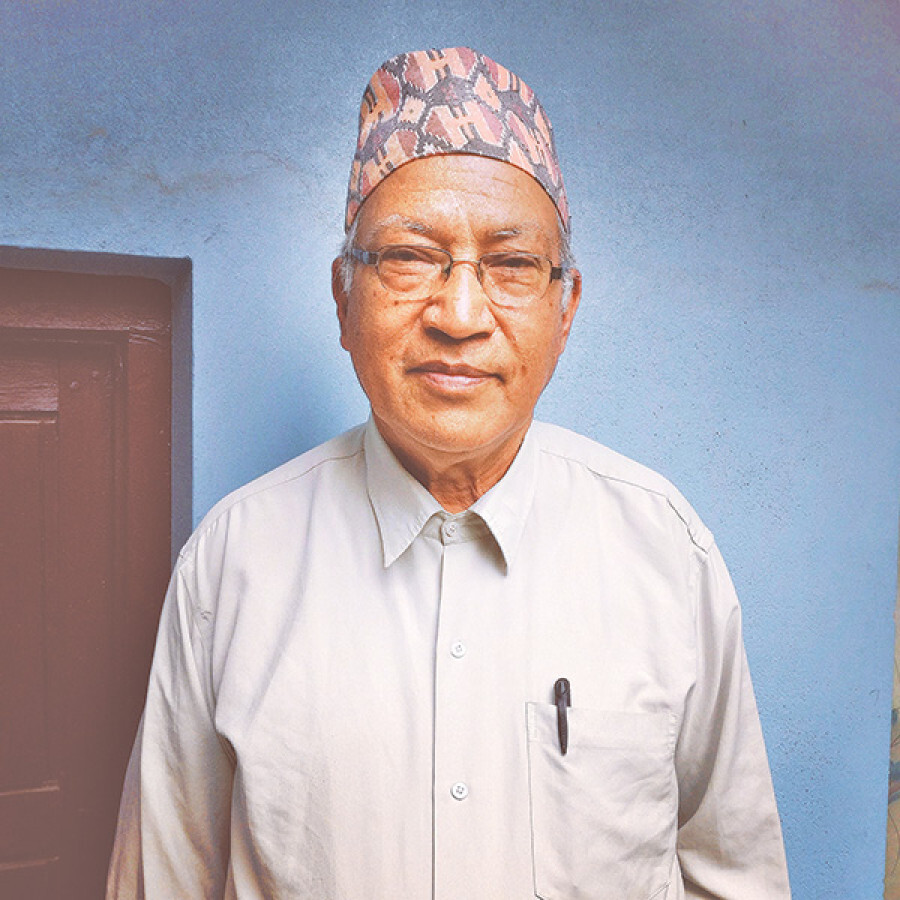
Kashinath Tamot, retired Reader from the Central Department of Nepalbhasa, Tribhuvan University, Patan Campus, is one of the world’s foremost specialists of Classical Newar. Besides being the chief compiler of A Dictionary of Classical Newari (Kathmandu: 2000) and of the online Nepalese Amarakośa database, he has worked on the history of the Kathmandu Valley, the Nepalese historical time reckoning, Newar language and literature, and medieval epigraphy. In his long career as a researcher, has collaborated with innumerable Nepalese and international scholars and projects, including the Nepal-German Manuscript Preservation Project (NGMPP). For the NOD, Kashinath Tamot has been serving as a consultant on Newar script, semantics, grammar, and lexicography.
Nirmal Man Tuladhar
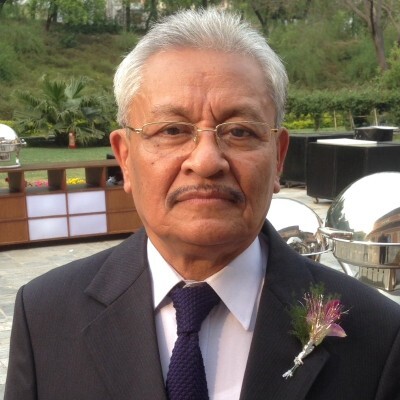
Nirmal Man Tuladhar, retired Professor of Linguistics from Tribhuvan University (TU), is one of Nepal’s leading scholars and academic institution builders. He served as Executive Director of Centre for Nepal and Asian Studies (CNAS), TU, from 2003 to 2008, was editor, managing editor and chief editor of Contributions to Nepalese Studies, and taught at Central Department of Linguistics as well as the Central Department of Buddhist Studies, TU. He has also been a visiting professor at many universities and has coordinated several research projects and international conferences. For the NOD, Professor Tuladhar has been serving as a consultant on Modern Newar linguistics and indigenous grammatical literature.
Ian Turner
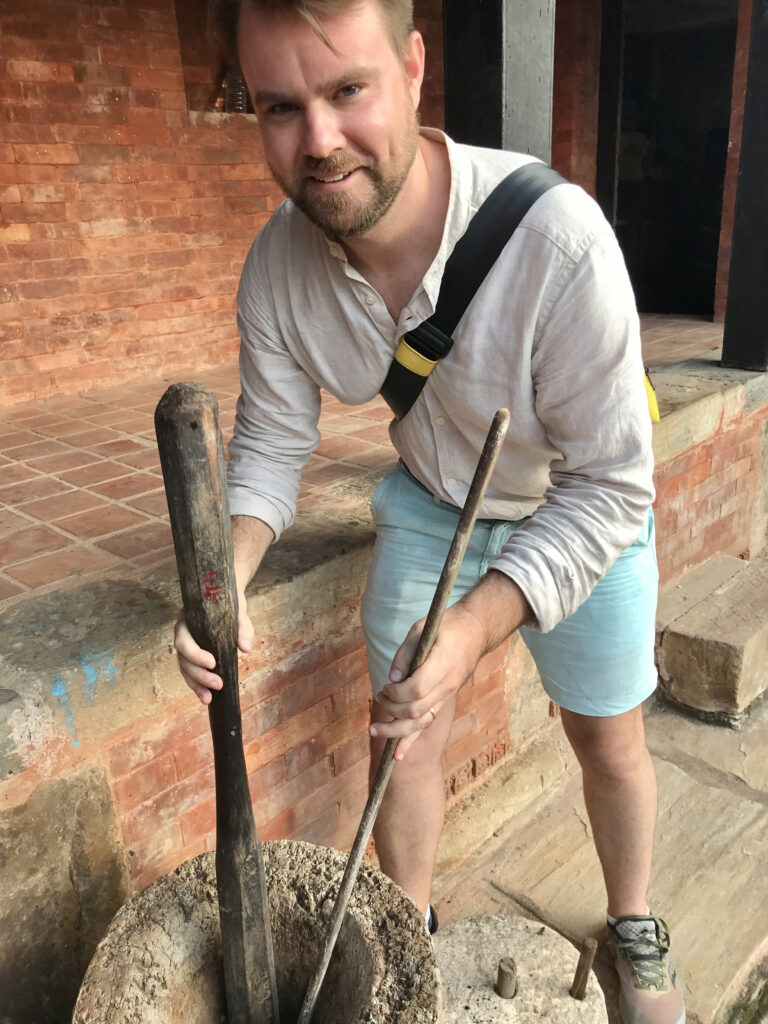
Ian Turner is an anthropologist, literary scholar, and modern historian of Nepalese religions, especially Buddhism, completing his dissertation at the University of Toronto, Dept. for the Study of Religion. Ian’s particular expertise finds a home amidst the competing Newar Buddhist counter—publics and private lineages of intellectualism, ritual performance, and cultural memory. He focuses primarily on questions of the home through ritual, storytelling, ethics and lived experience. Ian teaches undergraduate courses on the Study of Religion, and on Buddhist Ritual, Literatures, and Life Stories. He is also an instructor in the Nepalbhasa summer school and a member of a Nepalbhasa poetry translation collective. A core member of the NOD team since its inception, Ian has contributed his knowledge of contemporary and premodern Nepalbhasa, Nepali, Sanskrit and, notably, Italian – for the transliteration of the Capuchin Gian Gualberto da Massa’s 18th cent. Newar-Italian dictionary.

Andrea Wollein
Andrea Wollein received her PhD in the Study of Religion from the University of Toronto in late 2024. Her dissertation, informed by ethnographic and textual studies, examined the co-existence of Newar, Tibetan, and Theravāda Buddhist traditions through the case study of a Newar Buddhist monastery in Lalitpur called Yampi Mahāvihāra, or E yi gtsug lag khang in Tibetan. She holds an MA in Modern South Asian Studies and a BA in Tibetan and Buddhist Studies from the University of Vienna. With the Newar Online Dictionary, Andrea worked on adapting the Newari English Dictionary: Modern Language of Kathmandu Valley (Mandhar and Vergati 1986) and English – Nepal Bhasa Dictionary (Tuladhar 2003). For her publications see: https://utoronto.academia.edu/AndreaWollein